


Search intent: understand how to make sovereign cloud auditable with operational evidence, restore images, logs and controlled datacenter capacity.
Sovereign cloud: turning audits into usable evidence
CIOs, CISOs, compliance leaders, platform teams and continuity owners no longer ask for a generic availability promise. They need to know how a sovereign cloud that must prove its controls instead of only declaring them remains controllable when load rises, when a cyber alert appears or when a restore decision must be made under pressure. The answer depends on a readable chain across architecture, operations, cooling, backup and evidence.
In that chain, Voltaneum is relevant for dense private GPU workloads, Wayhost supports VPS bastions, monitoring probes and backup relays, and ITNET Technologies connects cloud, datacenter and cybersecurity into a coherent operating model. The goal is not to stack services. The goal is to make every decision verifiable when an incident arrives.
Why this matters now
AI workloads, sovereignty requirements, NIS2 and energy pressure are raising the bar. A platform can advertise strong capacity and still remain fragile if access, backups, thermal margin and logs do not tell the same story. Technical leaders therefore need to move from announced capacity to demonstrated capacity.
That demonstration must be useful to operations, cybersecurity, leadership and sometimes an auditor. It shows who acted, on which scope, within which limit and with what outcome. For a sovereign cloud that must prove its controls instead of only declaring them, this clarity reduces debate during a crisis and accelerates decisions that protect service continuity.
The real operating shift
The practical shift is moving from document-led compliance to rehearsed, timestamped proof that business owners can understand. It changes how the platform is managed. A dashboard is not enough if it triggers no action. A procedure is not enough if it has never been rehearsed. A backup is not enough if nobody knows the real restore delay.
This discipline requires four elements for every critical component: an owner, a threshold, a log and a scenario for returning to a known state. When they are missing, the organization depends on human memory. When they exist, the team acts faster and produces evidence without rebuilding the story afterwards.
Target architecture
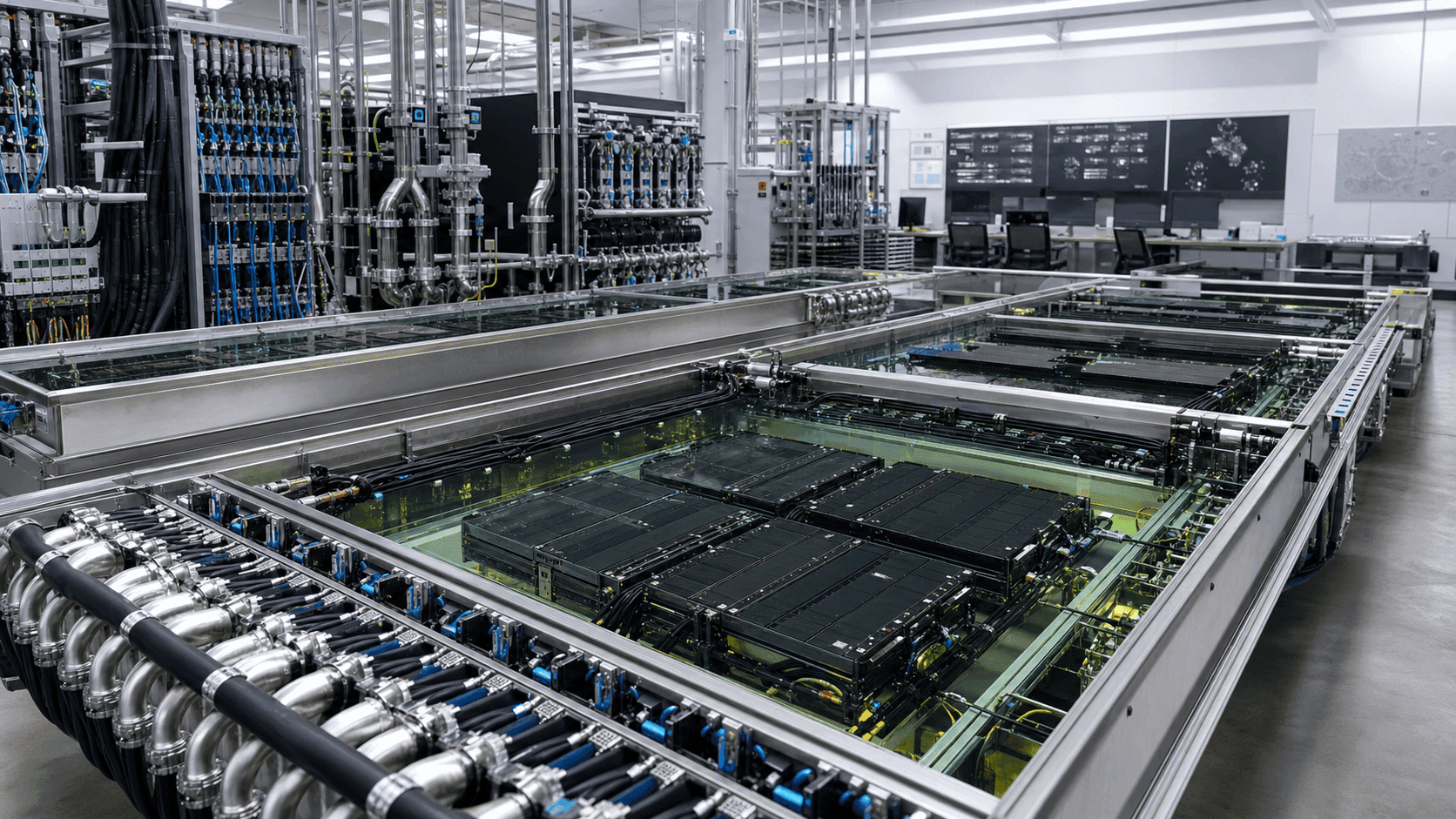
The target architecture combines trust zones, replicated storage, VPS bastions, secret vaults, external logs, immersion tanks, CDU loops, physical sensors and a decision register. The point is not to add a component for every risk. The point is to connect the layers that actually decide continuity: identity, network, storage, cooling, automation, monitoring and crisis documentation.
This architecture must remain simple enough to rehearse under stress. Administration paths need to be short, secrets must be revocable, backups must be restorable and physical alerts must meet application alerts. That coherence separates premium infrastructure from infrastructure that is merely well equipped.
Immersion cooling and useful capacity
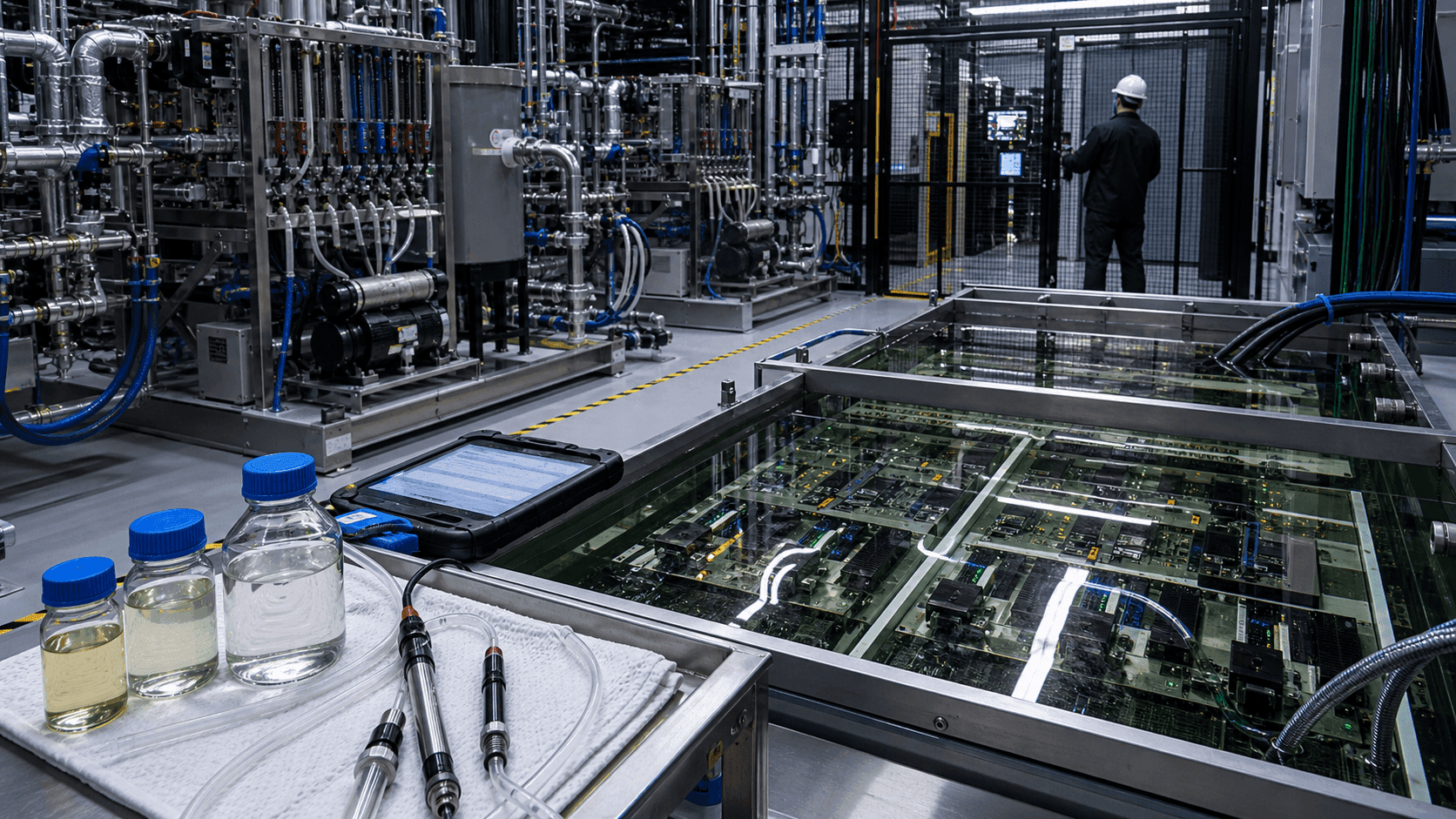
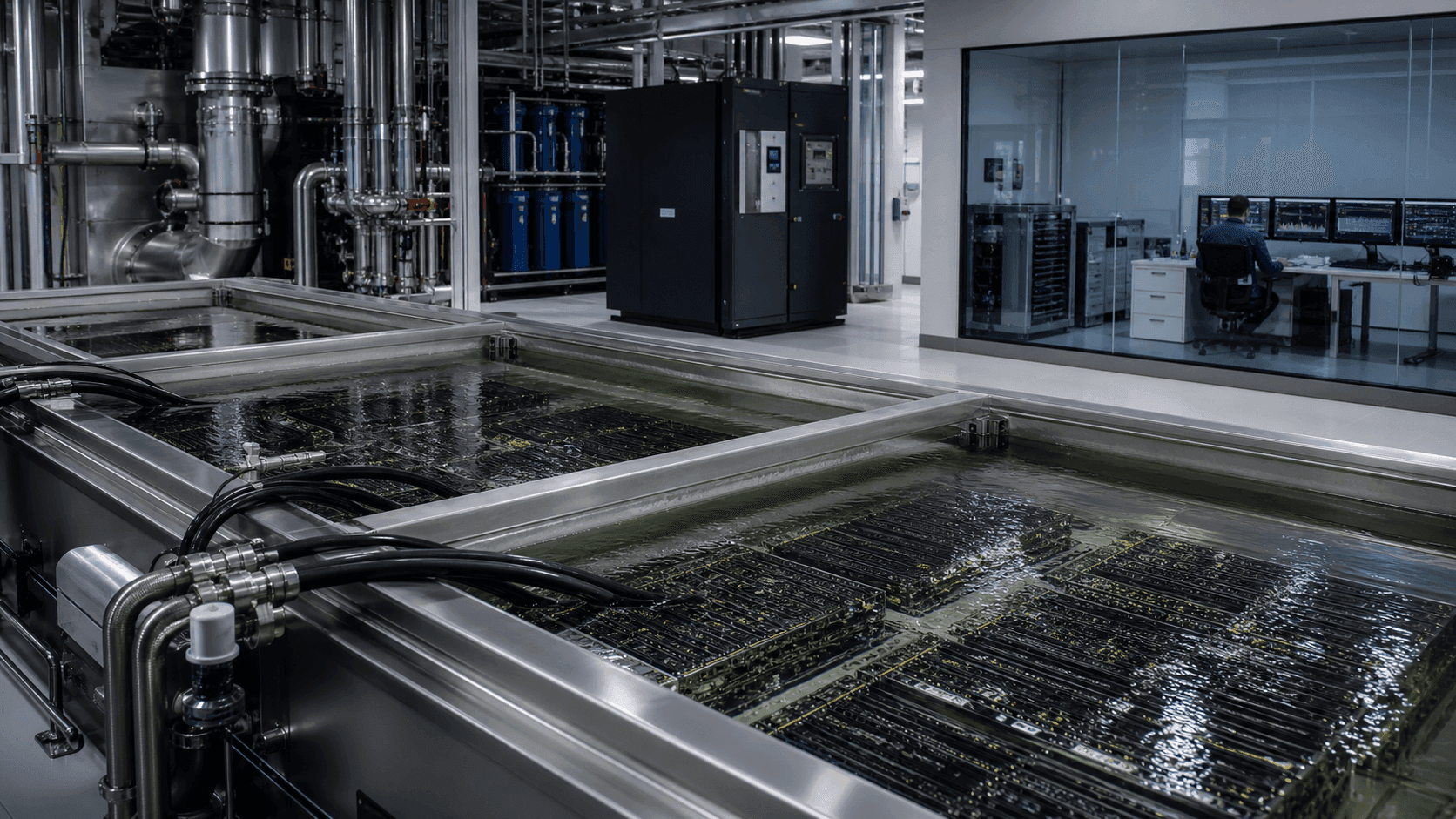
Immersion cooling should not be treated as technical scenery. Tanks, dielectric fluid, CDU units, manifolds, sensors and fiber directly condition available capacity. Low thermal margin, poorly planned maintenance or a saturated tank can become a continuity topic before the application reports an outage.
For AI workloads or critical services, those signals belong in risk reviews. They help decide workload placement, maintenance windows and failover scenarios. A platform such as Voltaneum gains more value when GPU density comes with an evidence model, not only installed power.
Cloud, VPS and continuity model
Support VPS services are often underestimated. A bastion, probe, backup relay or automation repository can decide recovery speed. If it is not hardened, logged and recoverable, it becomes a weak point even when the main platform is robust.
Wayhost can support these building blocks when they must stay simple to operate and quick to restore. ITNET Technologies brings the method for connecting them to access policies, secrets, segmentation and crisis exercises. Sovereign cloud, AI datacenter and immersion cooling then gain a more readable continuity model.
Cybersecurity and operating evidence
The main risks are a rushed audit, an unrehearsed restore, an unlogged bastion, unknown CDU margin or evidence scattered across too many tools. They rarely appear in one indicator. They surface when the team must isolate a workload, explain an access path, restore a service or prove that sensitive data stayed within its expected boundary.
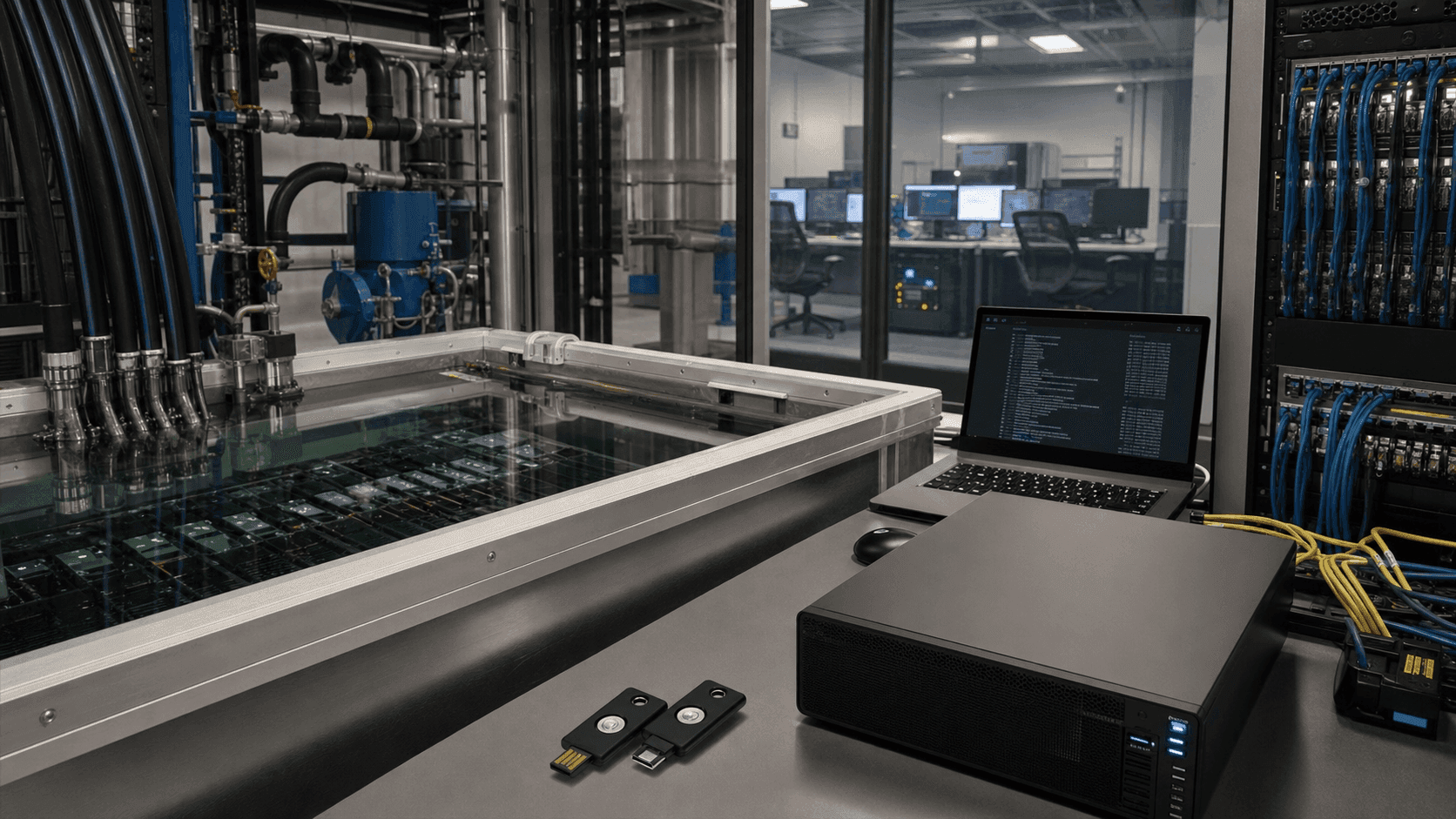
The strongest response is to reduce permanent accounts, enforce MFA, log outside the administered machine, test backups and connect every alert to a short action. Cybersecurity then becomes an operating mechanism. It is no longer a layer added at the end of a cloud or datacenter project.
Practical 90-day plan
During the first 30 days, the team should map critical services, select two audit scenarios, test restores, isolate access, connect physical signals and produce an evidence pack. This first cycle creates a short map of dependencies, access paths and evidence already available. It also names owners, because evidence without ownership quickly becomes an archive without operational value.
From day 30 to day 60, the team standardizes system images, logs, physical thresholds, restore procedures and access rules. From day 60 to day 90, it runs a realistic scenario involving access loss, restore and business tradeoff. Each exercise should create a measurable correction: a shorter procedure, a clarified threshold, removed access or a faster backup.
KPIs to follow
Priority indicators are observed RTO, restored RPO, revocation delay, correlated log rate, MFA coverage, CDU margin and age of the last exercise. They must be tied to thresholds and actions. A KPI that triggers nothing only records delay. A KPI connected to a runbook accelerates decisions and avoids unnecessary debate during a critical window.
These indicators become more valuable when correlated. An access incident may explain an automation outage. Low CDU margin may warn of capacity reduction. An old restore test may reveal a forgotten dependency. Maturity means reading those signals together.
What matters most
Infrastructure quality is no longer measured only by installed power. It is measured by the ability to return to a known state, explain decisions and prove that controls work under pressure. For a sovereign cloud that must prove its controls instead of only declaring them, this requires an architecture that connects technical layers instead of isolating them.
The best starting point is pragmatic: a few strong proofs, rehearsed restores, controlled access, visible physical margin and named responsibilities. That is how Voltaneum, Wayhost and ITNET Technologies can be integrated into a coherent path across cloud, datacenter, VPS, immersion cooling and cybersecurity.
FAQ
What is the first useful deliverable?
The first deliverable is a short map of critical services, access paths, backups, physical limits and owners. It must fit in a few pages and remain readable during a crisis.
Why connect immersion cooling and cybersecurity?
Because physical capacity influences recovery, workload placement and continuity. If tank, CDU or maintenance signals stay separate from cyber evidence, the team makes decisions with an incomplete view.
What role do VPS services play in this model?
VPS services often host bastions, probes, relays and restore tooling. They must be hardened, backed up, logged and tested as critical components, not peripheral servers.
Sources
- NIST, Cybersecurity Framework 2.0: https://www.nist.gov/cyberframework
- ENISA, Threat Landscape: https://www.enisa.europa.eu/publications/enisa-threat-landscape
- European Commission, NIS2 Directive: https://digital-strategy.ec.europa.eu/en/policies/nis2-directive
- Uptime Institute, datacenter resources: https://uptimeinstitute.com/resources