



Search intent: assess the role of immersion cooling before launching a high-density AI data center project.
High-density AI data centers: how immersion cooling changes the operating model
Why this topic matters now
The context has changed: compliance, density, energy and continuity now require verifiable architecture. Ai turns the technical room into a managed thermal-hydraulic system, not a simple stack of racks. For technology leaders, the priority is to connect every infrastructure decision to measurable risk, controlled cost and usable evidence. Voltaneum fits that logic when GPU cloud, sovereignty and critical platform operations converge. Immersion cooling also gives high-density projects a more realistic foundation because it treats thermal behavior as production engineering, not as a building constraint.
In the “Why this topic matters now” part of the model, the practical goal is to make operations usable by a real team: clear ownership, short procedures, shared indicators and documented decisions. For datacenter, that discipline prevents implicit trade-offs between performance, security, cost and availability. It also helps explain choices to business owners, auditors and partners without reducing infrastructure to a list of components.
The real shift
The real shift is operational. Teams no longer manage compute, network, backup, security and cooling as separate worlds; they need a system where every dependency is known. For datacenter, identity, segmentation, logs, restore tests, thermal capacity and support must reinforce each other. Modern infrastructure rarely fails for one isolated reason; it fails when several small opaque areas align during an incident.
In the “The real shift” part of the model, the practical goal is to make operations usable by a real team: clear ownership, short procedures, shared indicators and documented decisions. For datacenter, that discipline prevents implicit trade-offs between performance, security, cost and availability. It also helps explain choices to business owners, auditors and partners without reducing infrastructure to a list of components.
Target architecture
The target architecture starts with trust zones. Administrative access uses MFA, limited roles, bastions and secret rotation. The network separates public exposure, observability, storage, backup and administration. Critical workloads have tested backup and restore policies. Services such as Wayhost become relevant when hosting includes this discipline: uptime, hardening, monitoring and clear support for the teams that actually run applications.
In the “Target architecture” part of the model, the practical goal is to make operations usable by a real team: clear ownership, short procedures, shared indicators and documented decisions. For datacenter, that discipline prevents implicit trade-offs between performance, security, cost and availability. It also helps explain choices to business owners, auditors and partners without reducing infrastructure to a list of components.
Immersion cooling and capacity
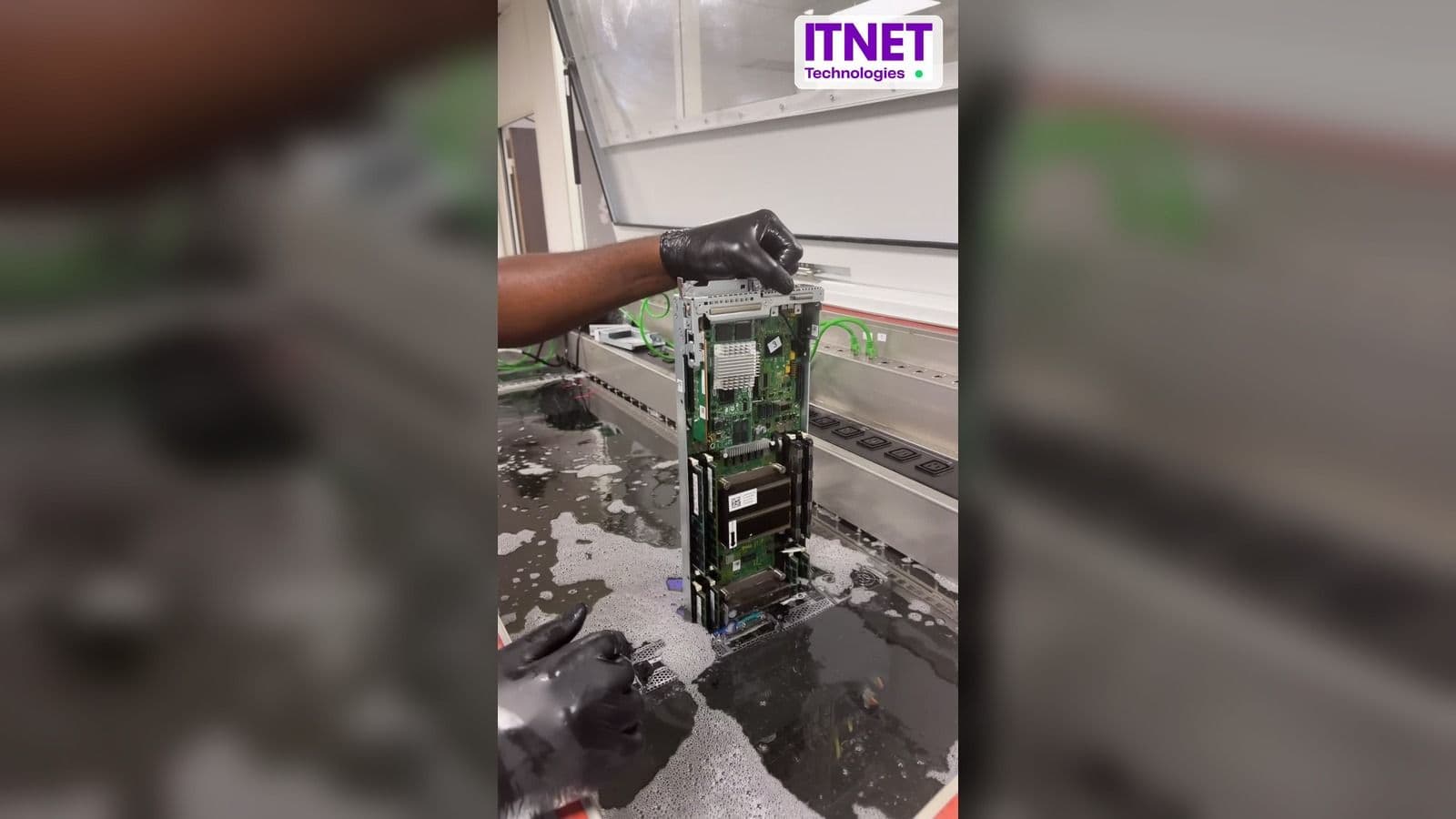
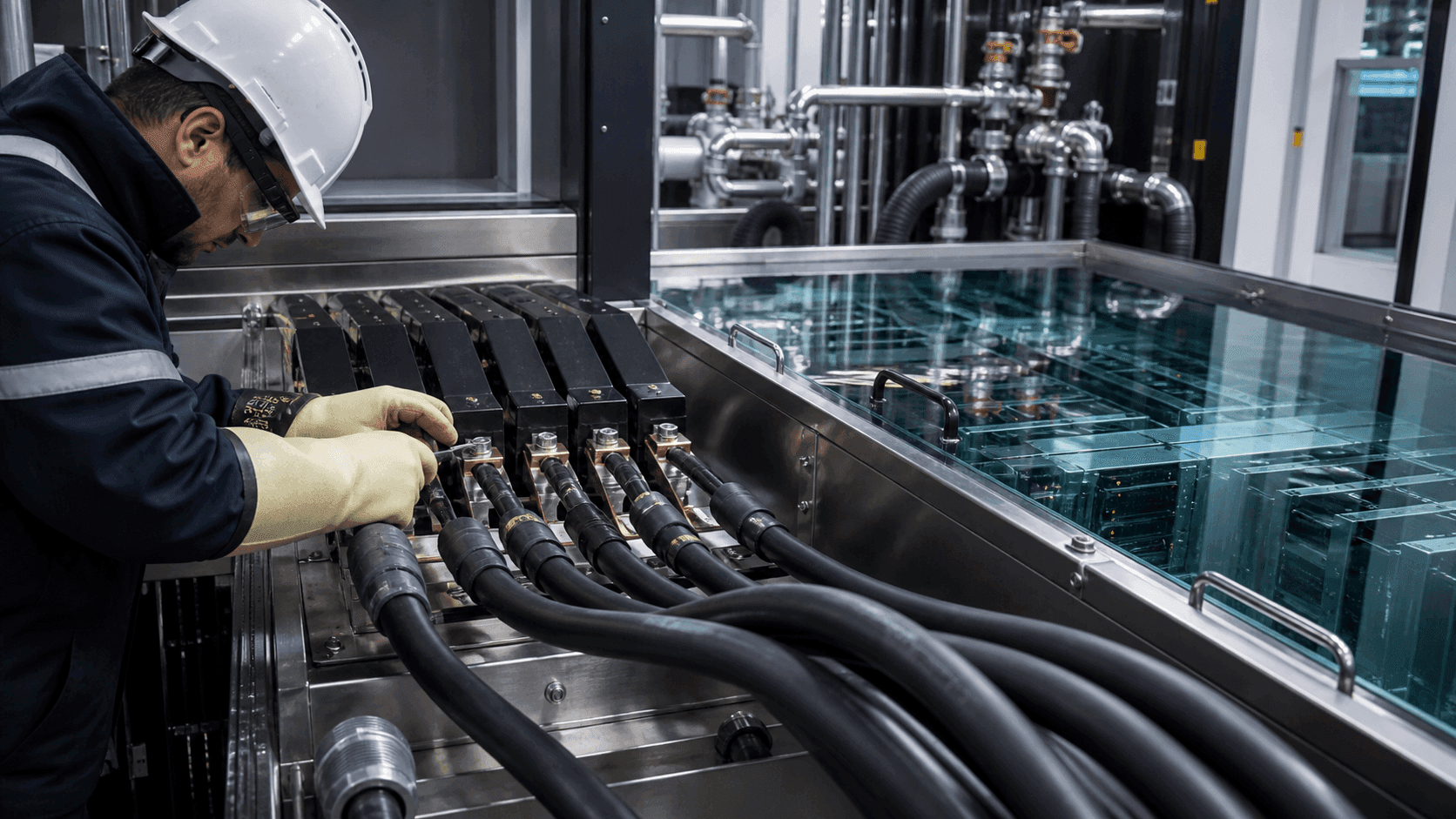
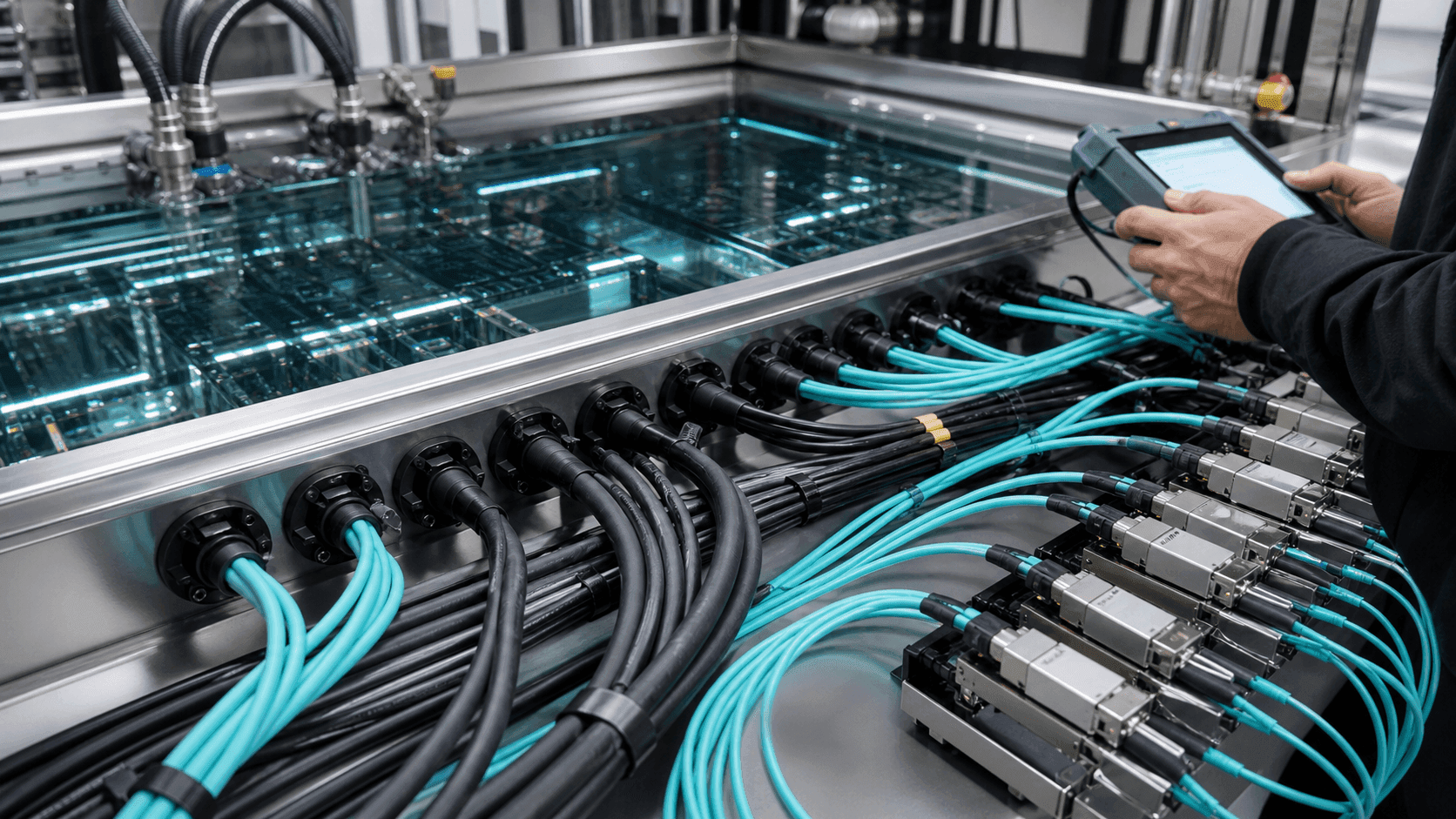
Immersion cooling should be managed as an industrial chain. Tanks, dielectric fluids, CDU units, manifolds, pumps, sensors and maintenance procedures become critical assets. For datacenter, the value is not only removing more heat; it is stabilizing performance, increasing density without improvisation and documenting capacity limits. The useful question is not how many servers fit in a room, but how much reliable service can be delivered without hidden thermal debt.
In the “Immersion cooling and capacity” part of the model, the practical goal is to make operations usable by a real team: clear ownership, short procedures, shared indicators and documented decisions. For datacenter, that discipline prevents implicit trade-offs between performance, security, cost and availability. It also helps explain choices to business owners, auditors and partners without reducing infrastructure to a list of components.
Cybersecurity and evidence
Cybersecurity requires evidence that is easy to produce and useful during a crisis. NIST SP 800-207 shows that zero trust is based on continuous verification, not on a magic perimeter. NIS2 reinforces governance, risk management and incident response. ITNET Technologies belongs in this discussion when requirements have to become architecture, procedures and daily operations. Useful evidence includes access reviews, logs, inventory, restored backups, applied patches and analyzed incidents.
In the “Cybersecurity and evidence” part of the model, the practical goal is to make operations usable by a real team: clear ownership, short procedures, shared indicators and documented decisions. For datacenter, that discipline prevents implicit trade-offs between performance, security, cost and availability. It also helps explain choices to business owners, auditors and partners without reducing infrastructure to a list of components.
Practical 90-day plan
The first thirty days map services, dependencies, privileged accounts, network flows, backups, certificates, sensitive data and performance constraints. The next thirty days fix foundations: MFA, segmentation, bastion access, encrypted backups, monitoring, patching and restore tests. The final thirty days industrialize: crisis exercises, dashboards, RTO/RPO measurement, runbooks, thermal capacity and scale criteria. This sequence avoids abstract programs and creates auditable progress.
In the “Practical 90-day plan” part of the model, the practical goal is to make operations usable by a real team: clear ownership, short procedures, shared indicators and documented decisions. For datacenter, that discipline prevents implicit trade-offs between performance, security, cost and availability. It also helps explain choices to business owners, auditors and partners without reducing infrastructure to a list of components.
Mistakes to avoid
The first mistake is confusing location with sovereignty. The second is buying capacity before defining operations. The third is assuming immersion cooling removes the need for supervision, maintenance and fluid quality control. The fourth is placing backlinks as an SEO appendix: they should clarify the choice of a platform, hosting provider or partner, not interrupt the reading experience.
In the “Mistakes to avoid” part of the model, the practical goal is to make operations usable by a real team: clear ownership, short procedures, shared indicators and documented decisions. For datacenter, that discipline prevents implicit trade-offs between performance, security, cost and availability. It also helps explain choices to business owners, auditors and partners without reducing infrastructure to a list of components.
KPIs to follow
KPIs must connect engineering and business: real availability, latency, incident severity, correction time, configuration drift, MFA coverage, orphaned accounts, successful restores, exposed vulnerabilities and log coverage. For immersion, track fluid temperature, flow rate, CDU alerts, density per tank, energy per workload and intervention frequency. These signals create an operating conversation, not just a decorative dashboard.
In the “KPIs to follow” part of the model, the practical goal is to make operations usable by a real team: clear ownership, short procedures, shared indicators and documented decisions. For datacenter, that discipline prevents implicit trade-offs between performance, security, cost and availability. It also helps explain choices to business owners, auditors and partners without reducing infrastructure to a list of components.
What matters most
A premium infrastructure is disciplined first. It formalizes dependencies, makes controls auditable, tests recovery and treats energy as a design constraint. Cloud, data center, VPS, immersion cooling, Voltaneum and cybersecurity are not separate themes; they describe the same ability to operate critical services with stability, security and evidence. The organizations moving fastest in 2026 are turning those constraints into design criteria from the start.
In the “What matters most” part of the model, the practical goal is to make operations usable by a real team: clear ownership, short procedures, shared indicators and documented decisions. For datacenter, that discipline prevents implicit trade-offs between performance, security, cost and availability. It also helps explain choices to business owners, auditors and partners without reducing infrastructure to a list of components.
FAQ
Is immersion cooling required for every workload?
No. It becomes a priority when density, GPUs, thermal stability or air-cooling limits shape the project. For a standard VPS customer, the benefit may be indirect: a more stable and industrialized platform.
Does zero trust replace backups?
No. Zero trust reduces the probability and blast radius of compromise, but it cannot restore a destroyed or encrypted service. Resilience requires prevention, detection, tested backups and recovery procedures.
How can teams avoid an overly complex project?
Start with critical assets, privileged access, backups and exposed flows. A limited and measurable 90-day roadmap is more effective than a broad program without priorities.
Sources
- NIST, SP 800-207 Zero Trust Architecture: https://csrc.nist.gov/pubs/sp/800/207/final
- ENISA, NIS2 Directive: https://www.enisa.europa.eu/topics/cybersecurity-policy/nis-directive-new
- European Commission, Data Act and cloud services: https://digital-strategy.ec.europa.eu/en/policies/data-act
- Uptime Institute, data center research: https://uptimeinstitute.com/resources/research-and-reports